


Spotlight: Afri-Connect LDAT
In multicultural Dandenong in Melbourne’s southeast, the Afri-Connect Local Drug Action Team (LDAT) is working to strengthen African Australian families and young people.
The LDAT aims to prevent alcohol and other drug (AOD) related harm through culturally safe, community-led initiatives.
It’s run by Afri-Aus Care Inc., an organisation that delivers mentoring and peer support for African Australian youth, holds sports and creative programs as positive alternatives to risky behaviours, and engages parents and elders through community education.
The Afri-Aus Care UBUNTU Restorative Community Program is the LDAT’s fifth Community Action Plan (CAP).
UBUNTU is a word that comes from the Nguni group of southern Bantu languages, meaning ‘humanity to others’. It reflects a philosophy centred around the interdependence of humans on one another, acknowledging interconnectedness and a person’s responsibility to their fellow humans and the world around them.
The LDAT partners include the Adventist Development and Relief Agency, Victoria Police and RMIT University.
The challenge
While Greater Dandenong’s overall alcohol harm risk is relatively low compared to some neighbouring LGAs, there are pockets of risky drinking and higher-than-average impacts.
Between 2022 and 2024, alcohol intoxication ambulance attendances were 13% higher than the metro level, family violence incidents where alcohol was present were 23% higher and alcohol-associated mortality was 12% higher.
In the area, there’s also a large migrant population, including families from many African countries.
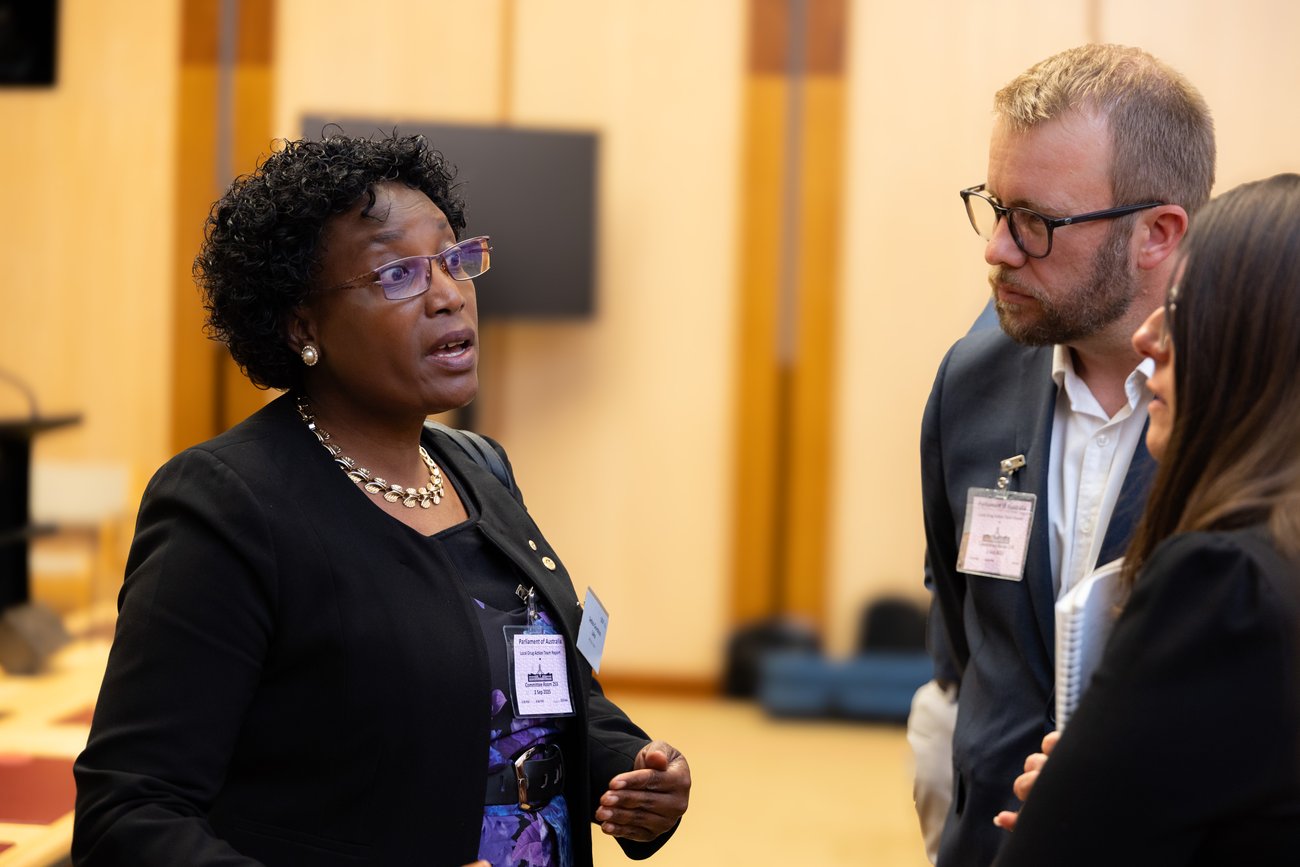
Selba-Gondoza Luka OAM, CEO and founder of Afri-Aus Care Inc., explains that many of these families have experienced being unheard or overlooked in mainstream systems.
“The African Australian Community in Melbourne’s southeast, which predominantly come from refugee or asylum-seeking backgrounds, face a lot of challenges with AOD use brought on by acculturation stress, navigating systems and intergenerational trauma,” she explained.
“From an Afri-Connect lens, our LDAT is also responding to common barriers that can increase harm in multicultural communities. Stigma, language barriers and limited culturally safe entry points can mean people delay seeking help until harms escalate.”
Selba-Gondoza emphasises that prevention is critical when it comes to AOD harms.
Linking families and young people with support is important, because this has a protective effect, helping to stop AOD issues before they develop. Community-led prevention and referrals can reduce those barriers to support.
“Once harm has occurred, the impacts on families and communities can last generations. By investing in prevention, we’re creating safer environments for young people, reducing pressure on emergency and justice systems, and building resilience.”
For Selba-Gondoza, prevention also means addressing root causes like isolation, broken families, unemployment, racism, undiagnosed and untreated mental illnesses and intergenerational trauma.
“It’s not just about slogans, it’s about creating pathways for belonging, purpose, and opportunity.
“Grassroots leadership, when supported, can drive systemic change,” she said.
The response
Afri-Connect LDAT has been working in the local area since 2019, gaining plenty of insights from earlier CAPs, which have helped shape its more recent activities.
Previous projects focussed on the Knowledge Team model, where young African Australians conducted peer-based consultations.
“The biggest highlight is seeing prevention work truly led by the community, for the community. Being part of the LDAT program has given us the opportunity to co-design with young people, parents, and elders, making sure the strategies are culturally relevant and sustainable,” said Selba-Gondoza.
“It’s inspiring to see young people stepping into leadership roles and to know that our work is part of a national movement tackling alcohol and other drug harms before they take root.”
In CAP 4, the Peer-To-Peer Restorative Family Group gained knowledge and experience in delivering workshops, providing the foundation for CAP 5 – a series of ten workshops for African Australian young people aged 18-30.
The progress
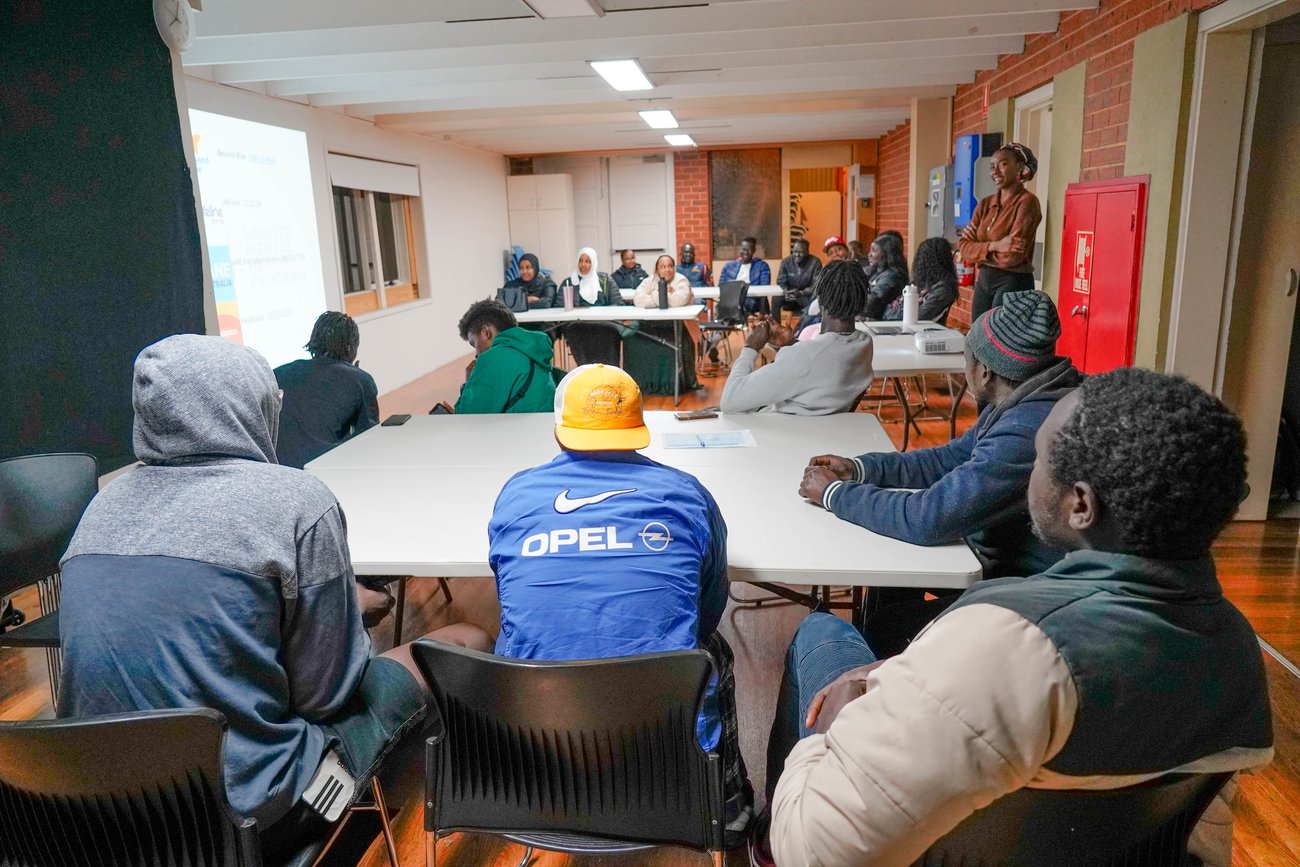
The workshops ran over eight months during 2024 and 2025. They reached 87 locals, more than the initial target of 80.
Workshop groups looked at AOD use within the community, its effect on physical and mental health, lived experience and support services.
They also built knowledge and leadership skills among peer leaders, and now these participants will lead a taskforce for their next CAP.
After the workshops, 94% of young people reported that they know more about the harms and impact of AOD, 87% felt equipped to seek help and 80% felt more connected to their community.
“The impact has been significant. Young people who were previously disengaged are now participating in education, training, and sports,” said Selba-Gondoza.
Families have reported stronger connections and better communication, and the LDAT is seeing a reduction in stigma around talking about alcohol and drug harm.
“By embedding cultural and lived experience mentors into our programs, we’ve been able to build trust quickly and open pathways to healthier choices.
“The ripple effect is that schools, community services and families now see Afri-Aus Care as a safe bridge to services that were previously underutilised.”
Advice to other LDATs
Selba-Gondoza’s advice to other LDATs looking to deliver a CAP to young people is to co-design from the start. Involve young people, parents, elders and lived-experience leaders in planning, not just consultation.
“We got the most out of the LDAT by doing the practical things well. Co-designing with community, delivering activities in trusted spaces that community members are familiar with, having facilitators the community recognises, and setting up referral pathways roles and follow-up after each event,” she said.
Another recommendation from Selba-Gondoza is to remove barriers for participants to attend. Organise food, transport help, flexible times, and follow-up between sessions.
When it comes to evaluation, she says to “measure what matters”. Look at attendance, shifts in knowledge and help-seeking confidence, and stories of change. Then, feed the results back to the community.